
Deep decay
Decay close to or within the nerve space may require root canal care after the tooth’s restorability is assessed.
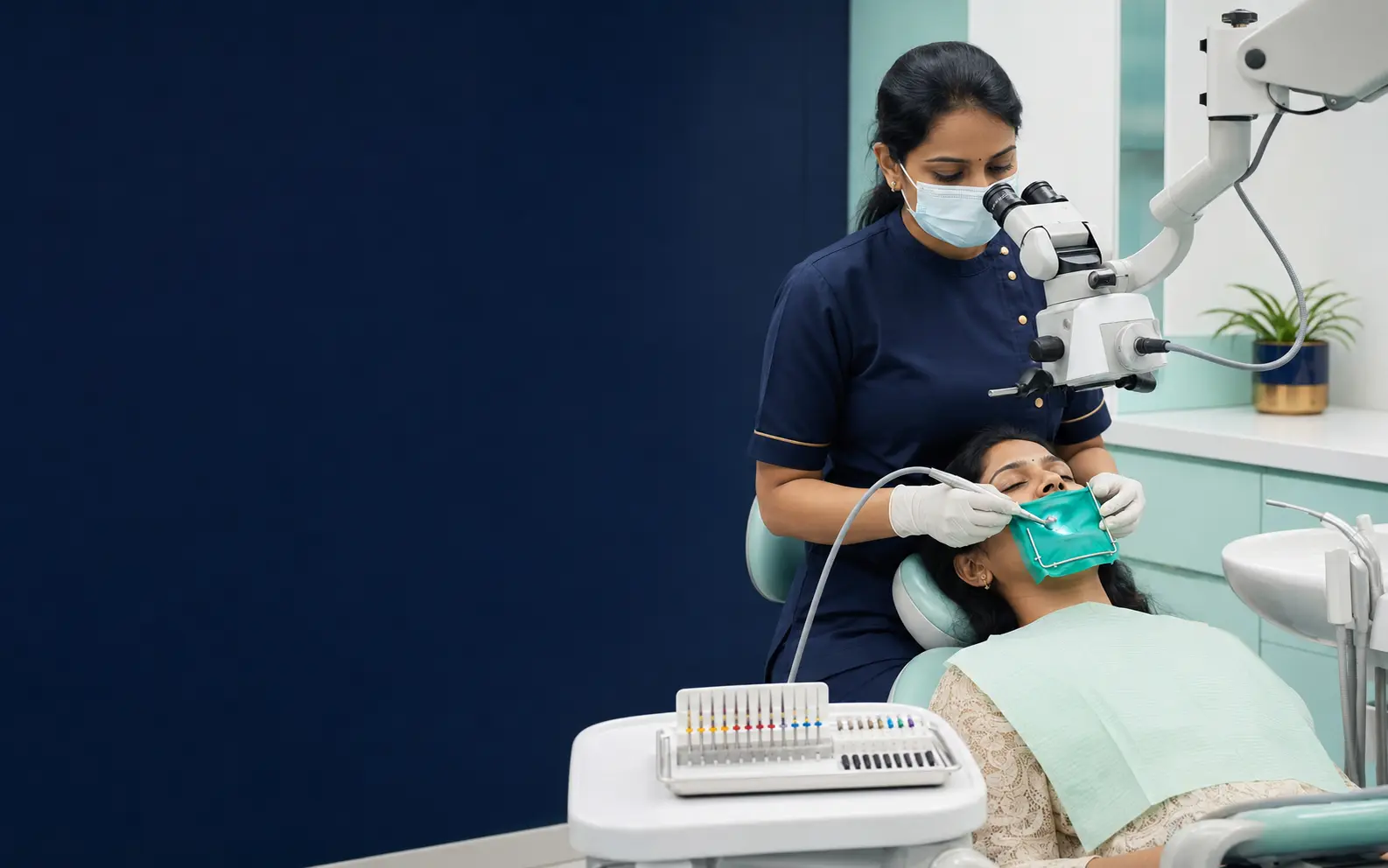
Root canal treatment in Vijayawada with diagnosis-led, pain-conscious dental care at Dr. Sowmya’s Smile Craft. Understand treatment, restoration and aftercare.
At Dr. Sowmya’s Smile Craft Dental and Implant Centre in Vijayawada, the first priority is to understand whether the tooth can be preserved and what the complete restorative plan should be. Root canal treatment addresses the internal space, but the tooth may also need a durable filling, onlay or crown depending on its position and remaining structure. Discussing both parts at the beginning gives patients a clearer picture of treatment time, cost and maintenance.
Modern local anaesthesia and careful technique are used to support comfort. Experience varies according to the condition of the tooth and surrounding tissues, so the clinic avoids unrealistic promises. Patients are encouraged to share previous difficult dental experiences, medical concerns and anxiety so appointments can be paced and explained appropriately.
Your plan begins with a detailed examination and the records needed for an accurate diagnosis.
Dr. Sowmya explains the condition, reasonable alternatives, expected stages and maintenance before you decide how to proceed.
Decay close to or within the nerve space may require root canal care after the tooth’s restorability is assessed.
The location and extent of a crack influence whether root canal treatment and restoration are appropriate.
Treatment aims to clean and seal the internal space while the surrounding tissues heal over time.
Persistent symptoms or new findings may require further evaluation and, in selected cases, specialist retreatment.
Root anatomy and restorative needs differ, so appointment requirements and final protection vary by tooth.
The remaining tooth structure and bite determine whether a filling, onlay or crown is advised.
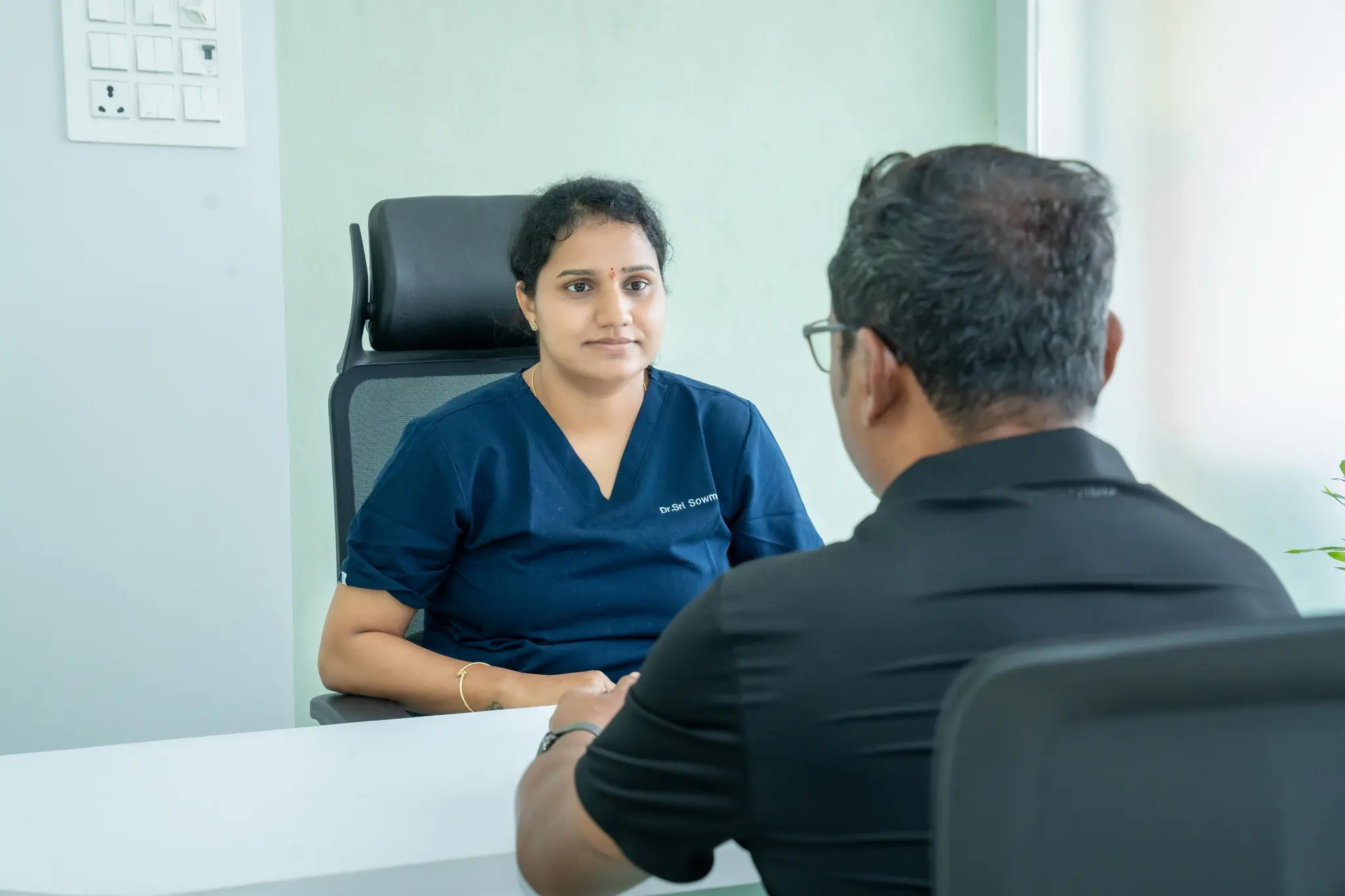
Symptoms, tests and radiographs help identify the source of pain and whether the tooth is restorable.
The tooth is numbed and isolated to support cleanliness and prevent contamination during treatment.
The internal spaces are accessed, shaped, disinfected and sealed. The number of visits depends on the clinical situation.
A definitive restoration is planned to protect function and reduce the risk of further breakdown.
A written estimate can be provided after evaluation because a single advertised price may not reflect the complete plan.
Mild tenderness can occur for a short period, especially if the tooth was inflamed before treatment. Follow the prescribed instructions and avoid heavy chewing on a temporarily restored tooth. Contact the clinic if pain is increasing, swelling develops, the temporary filling is lost or the bite feels significantly high.
Completing the recommended final restoration is an important part of treatment. Delaying it can expose the tooth to leakage or fracture. Root-treated teeth still require daily cleaning and routine review because decay, gum disease and structural problems can occur even though the internal nerve tissue has been treated.
These answers provide general guidance. A consultation is the right place to discuss diagnosis, suitability, timing and a case-specific estimate.
Ask Dr. Sowmya about your concernLocal anaesthesia is used to manage procedural discomfort. The experience varies with inflammation, anatomy and individual sensitivity. The clinic uses a pain-conscious approach and explains what to expect.
Antibiotics do not clean infected tissue from inside the tooth. They may be indicated in certain spreading infections or medical situations, but definitive dental treatment is usually still required.
Some teeth can be treated in one visit, while complex anatomy, infection or symptoms may require more. The final restoration may also need a separate appointment.
Share your concern and preferred time. The clinic will confirm appointment availability by email or phone.